

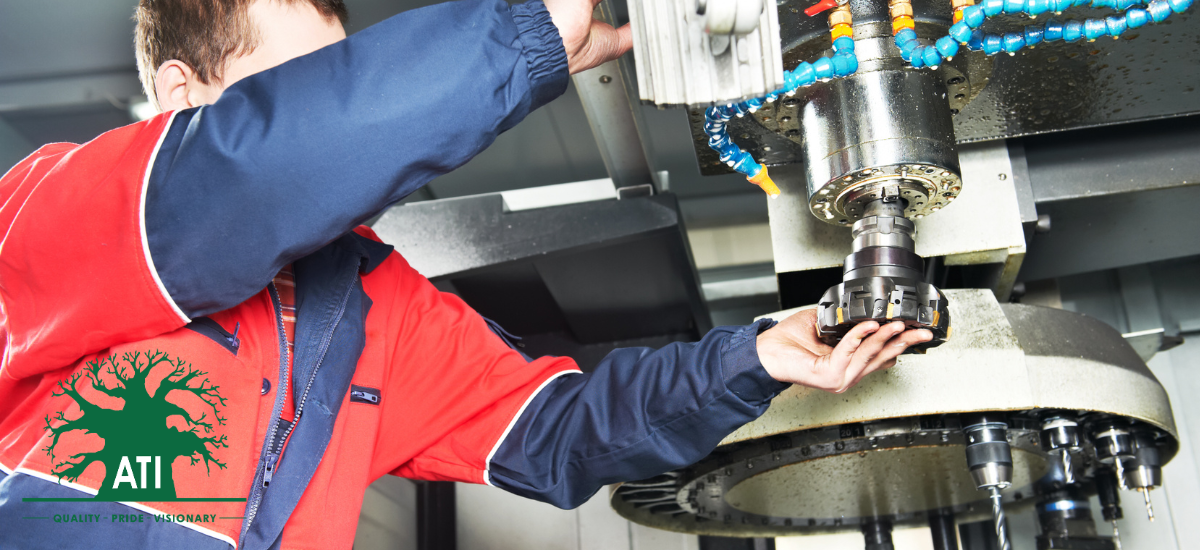
Instrument mechanician training is not just a technical investment; it is a safety and production imperative.
Workforce Development | By Artisan Training Institute
In petrochemical refineries, power generation facilities, mining processing plants, and pharmaceutical manufacturing operations across South Africa, instrumentation accuracy matters. It is not just a technical standard — it is a safety and production imperative. Inaccurate or poorly maintained instruments cause process deviations, product quality failures, safety incidents, and unplanned shutdowns. Properly qualified professionals must install, calibrate, and maintain the instrumentation and control systems that monitor and regulate your critical processes.
Instrument Mechanicians are those professionals. Developing qualified Instrument Mechanicians from within your own workforce is one of the most valuable investments your organisation can make. In fact, ATI's nationally accredited apprenticeship programme is how you get there.
The Instrumentation Skills Gap
Currently, South Africa faces a genuine shortage of qualified Instrument Mechanicians. The demand is greatest in the petrochemical, power generation, and mining processing sectors.
In short, this shortage has real consequences. Shutdowns last longer when instrument failures occur, and operations become over-dependent on expensive external specialists. There is also a greater risk of instrument-related process deviations in critical systems.
What Qualified Instrument Mechanicians Do for Your Operation
A qualified, Red Seal-certified Instrument Mechanician can independently install, calibrate, test, and maintain your full range of process instrumentation. This includes pressure, temperature, flow, level, and analytical instruments, as well as the control systems that process their outputs.
In-house Instrument Mechanicians respond faster to calibration drift, instrument failures, and control system issues. As a result, they build deep familiarity with your specific instruments and control systems. Consequently, they manage your instrument calibration schedules systematically, reducing the risk of calibration-related incidents and regulatory non-compliance.
The Financial and Transformation Case
Enrolling learners on ATI's accredited Instrument Mechanician apprenticeship entitles your company to claim grants from your Skills Development Levy contributions. In particular, for organisations in the petrochemical, mining, or manufacturing sectors, these grants can be substantial.
In addition, skills development investment in this apprenticeship contributes to your B-BBEE scorecard at the skills development pillar, with verifiable outcomes that support your transformation reporting.
What ATI's Instrument Mechanician Training Delivers
Our Instrument Mechanician apprenticeship develops competency in instrumentation principles, electronic and pneumatic systems, and control loops and PID tuning. In addition, it covers calibration procedures and documentation, safety instrumented systems, and increasingly, PLC and SCADA systems. Instructors with real process plant experience deliver the training in a properly equipped instrumentation workshop.
Build Your Instrumentation Capability with Instrument Mechanician Training
The organisations that manage instrumentation risk most effectively are those with qualified, experienced in-house Instrument Mechanicians. In short, ATI's apprenticeship programme is the structured pathway to developing that capability. Therefore, contact ATI's business development team today to discuss how we can support your instrumentation workforce development strategy.
Thinking about the other side of the equation? Read our career guide to becoming an Instrument Mechanician. See what the trade looks like from the apprentice's point of view.
Get in touch with our team:
info@artisantraining.co.za | www.artisantraining.co.za | +27 (0)11 472 3443
Engineering better futures for everyone.